






October 19, 2026
What are the three primary methods for testing the bond strength of adhesives? Shear, tensile, and peel strength.
Bond strength is arguably the most important metric for evaluating the mechanical performance of an adhesive, and it serves as a key reference factor when purchasing one. Did you know that "bond strength" is actually a broad, umbrella term? When testing the bond strength of an adhesive, the assessment primarily focuses on three specific types: shear strength, tensile strength, and peel strength.
Learn more
October 12, 2026
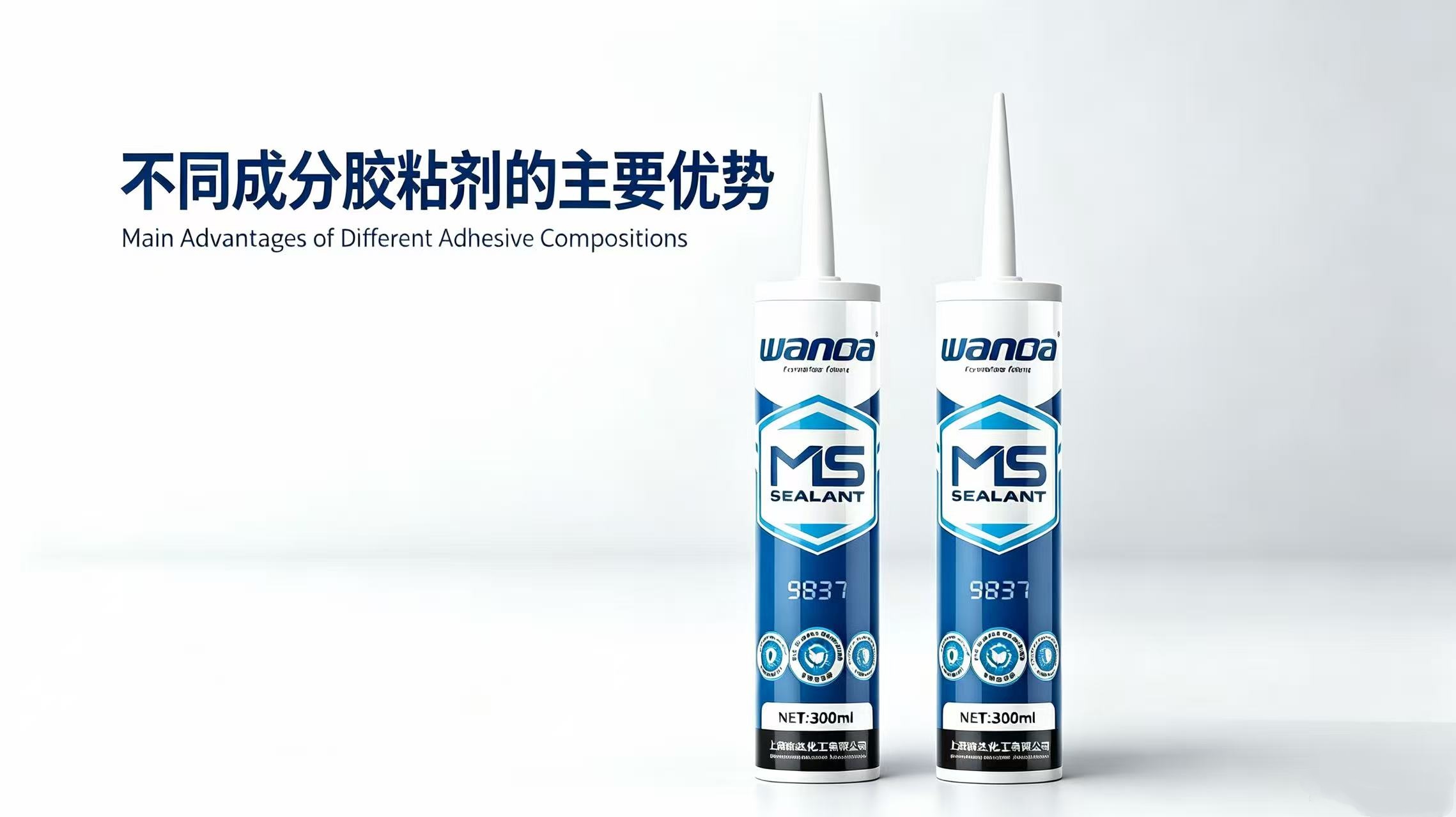
Key advantages of adhesives with different compositions
Adhesives are non-metallic bonding agents used to firmly join objects together. Although the adhesive forms only a very thin layer between the two surfaces being bonded, the resulting assembly meets all necessary mechanical, physical, and chemical requirements for practical application, effectively bonding the materials together. Adhesives come in a wide variety of formulations; this overview focuses on the characteristics of epoxy resin, polyurethane, and silicone adhesives.
Learn more
October 8, 2026
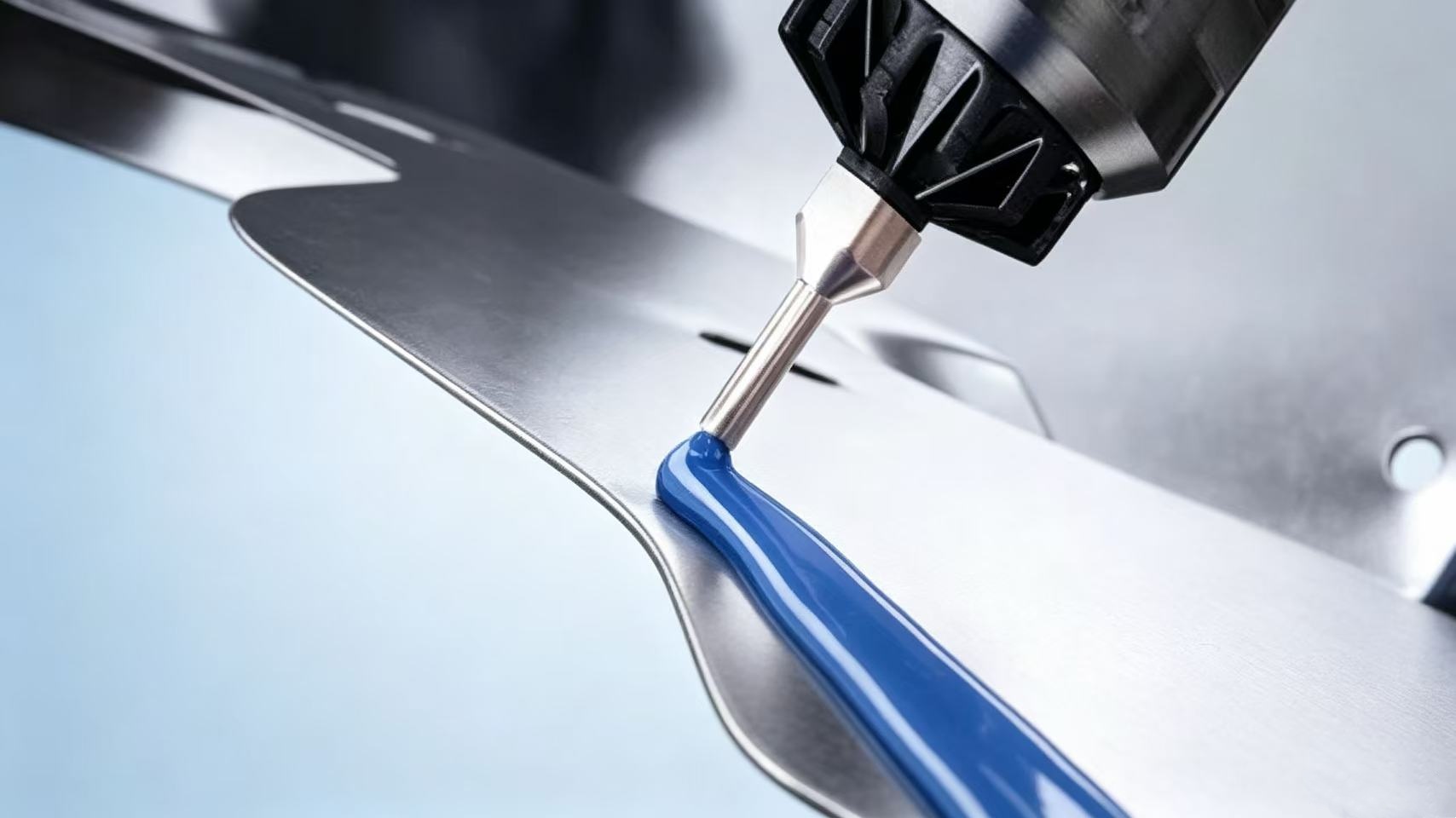
A Guide to Adhesive Application Methods
Adhesives are widely used in construction, automotive and industrial assembly fields. Proper selection and standardized application of adhesives play a key role in ensuring stable bonding performance and long-term durability of substrates. This article shares practical guidelines on adhesive selection principles and correct operating procedures to help users avoid common bonding failures.
Learn more
September 28, 2026
Which materials can be bonded with adhesives?
Adhesives—also known as bonding agents or glues—are chemical substances capable of firmly joining two or more surface-treated materials together while providing a certain level of mechanical strength.
Learn more

September 21, 2026
Classification of Construction Adhesives
Construction adhesives are essential materials in building projects and have a wide range of applications. During building decoration and renovation, they are primarily used for bonding panels and preparing wall surfaces; they enhance properties such as water resistance, sealing, and elasticity, thereby improving aesthetics and comfort, while also optimizing construction techniques and boosting the efficiency and quality of the work.
Learn more
September 15, 2026
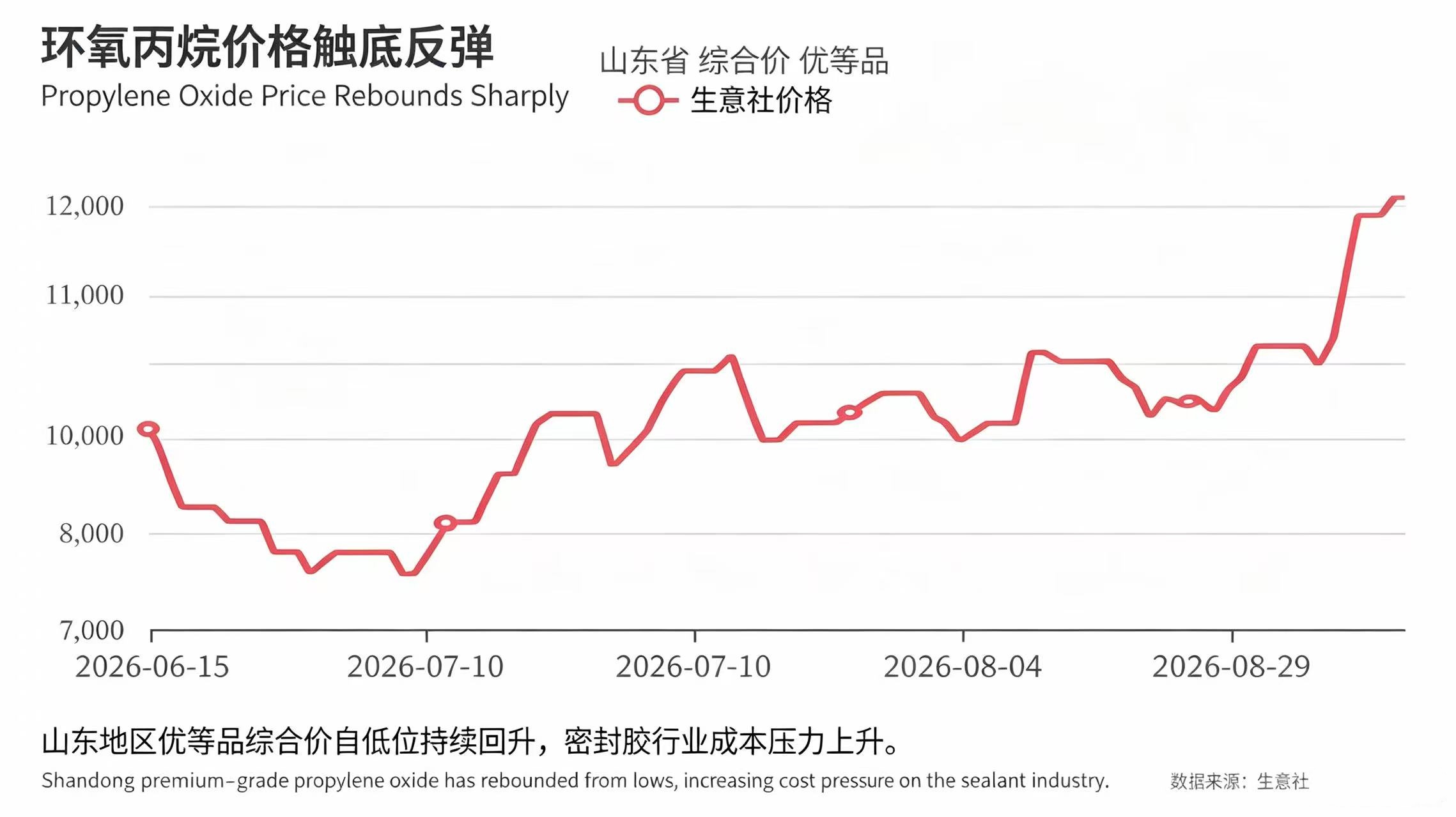
Market Update: Propylene Oxide Rebounds Sharply, Putting Cost Pressure on Sealant Industry
Shandong propylene oxide price rebounded sharply from a low level. As the key raw material for sealants, its price surge brings cost pressure to adhesive industry. Manufacturers monitor raw‑material changes and optimize supply chain to ensure stable quality and supply.
Learn more

September 8, 2026
Surface treatment prior to adhesive bonding
When using an adhesive to bond an object, the desired result is sometimes not achieved, and surface preparation is a major factor; indeed, the success or failure of the bond often hinges on how the surface is treated. During use, objects inevitably accumulate contaminants; if these are not thoroughly cleaned off prior to bonding, they interfere with intermolecular forces and result in a weak bond. So, how exactly should surface preparation be carried out before applying the adhesive?
Learn more

September 1, 2026
Three Major Factors Affecting Adhesive Curing
The curing reaction of an adhesive is a process—involving chemical reactions such as polymerization and cross-linking—by which properties like bond strength are developed and enhanced. Curing is a critical step for achieving optimal bonding performance; maximum strength is attained only upon complete curing. The curing process is categorized into initial curing, primary curing, and post-curing.
Learn more
August 24, 2026
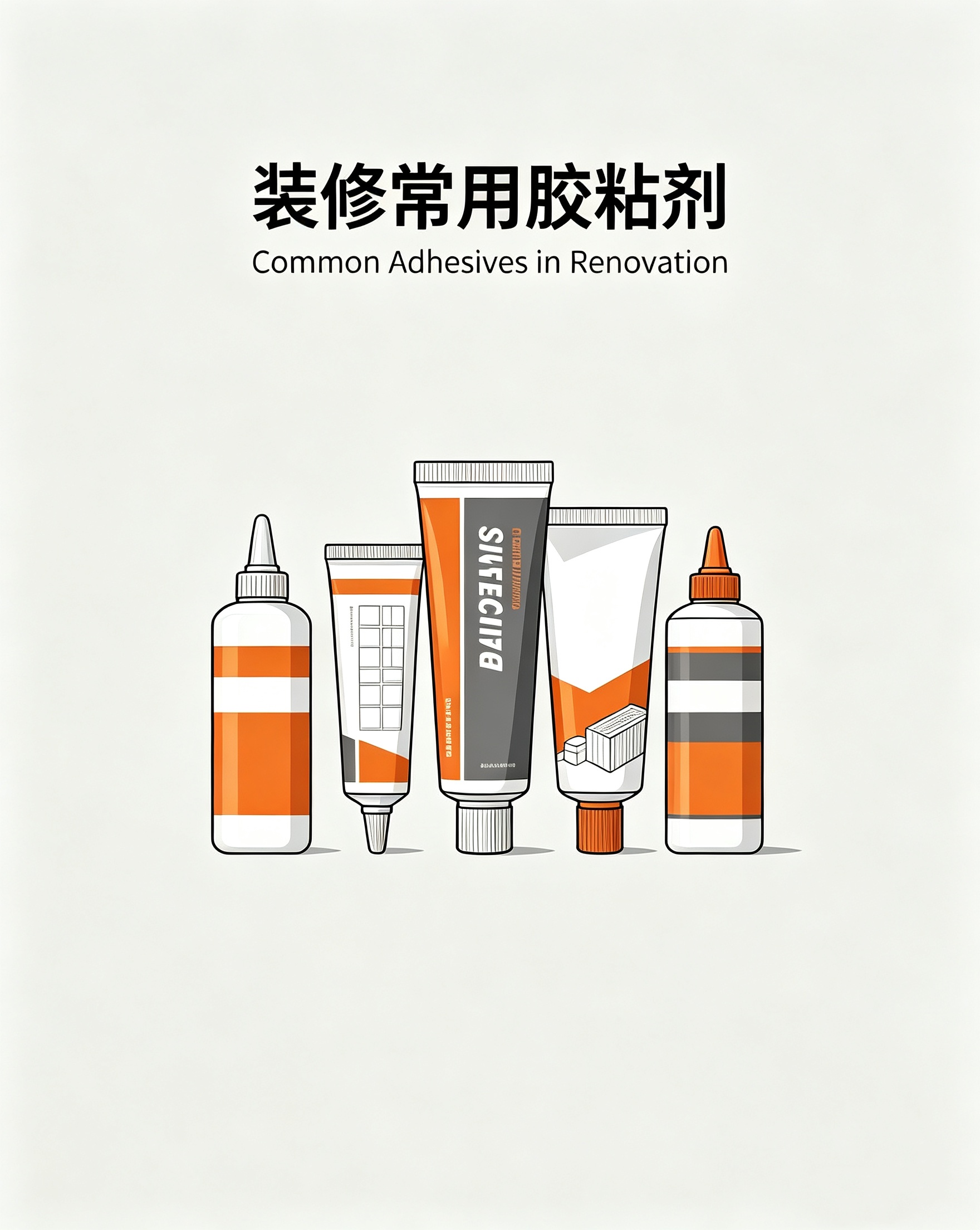
Various adhesives used in renovation
Common adhesives for renovation include silicone sealant, PU adhesive, nail‑free adhesive, PU foam and marble glue.Each has its own applicable scenarios and limitations. Choosing the right adhesive ensures good construction results.
Learn more