





2026-07-20
How do you select adhesives for the electronics and electrical industry?
First, it enables the bonding of materials with varying elastic moduli and thicknesses, particularly thin materials; furthermore, the bonded surface remains smooth, ensuring good aerodynamic properties. It also offers excellent sealing and corrosion resistance. Most importantly, it extends the service life of the bonded components and reduces their weight.To ensure quality when using adhesives, the following points should be observed:
(1) Select the adhesive best suited for the specific application.
(2) Balance the need for high strength with good durability.
(3) Do not use adhesives that have exceeded their shelf life or pot life.
(4) If single-component adhesives show signs of separation or sedimentation, stir them thoroughly before use.
(5) If single-component adhesives show signs of separation or sedimentation, stir them thoroughly before use.
(6) Avoid simple butt joints.
(7) Whenever possible, use lap joints, scarf joints, sleeve joints, or hybrid joints.
(8) Avoid excessive lap lengths.
(9) For bonded laminated materials, use scarf joints rather than lap joints.
(10) Incorporate mechanical fasteners (such as screws or rivets) or edge treatments (like hemmed edges or wrapped corners) to prevent peeling.
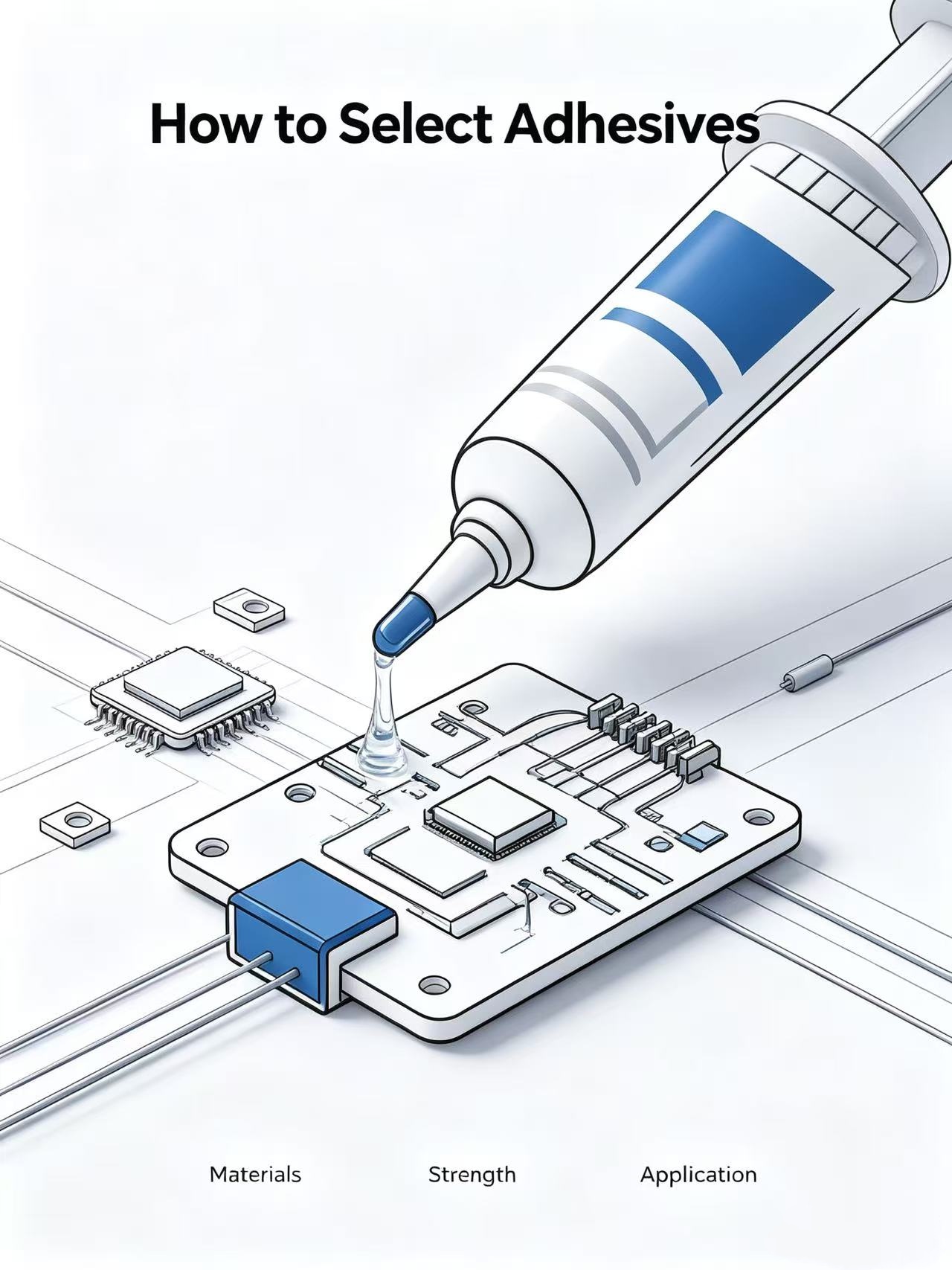
Adhesives come in a wide variety of types, each with distinct functions and applications; therefore, it is crucial to select the right adhesive based on the specific product, material, and usage scenario.
Adhesives offer advantages such as temperature resistance, low pollution, and non-destructive bonding. In today's environmentally conscious climate, the market for eco-friendly adhesives is poised for continued growth.